Father Christmas in a bilingual family
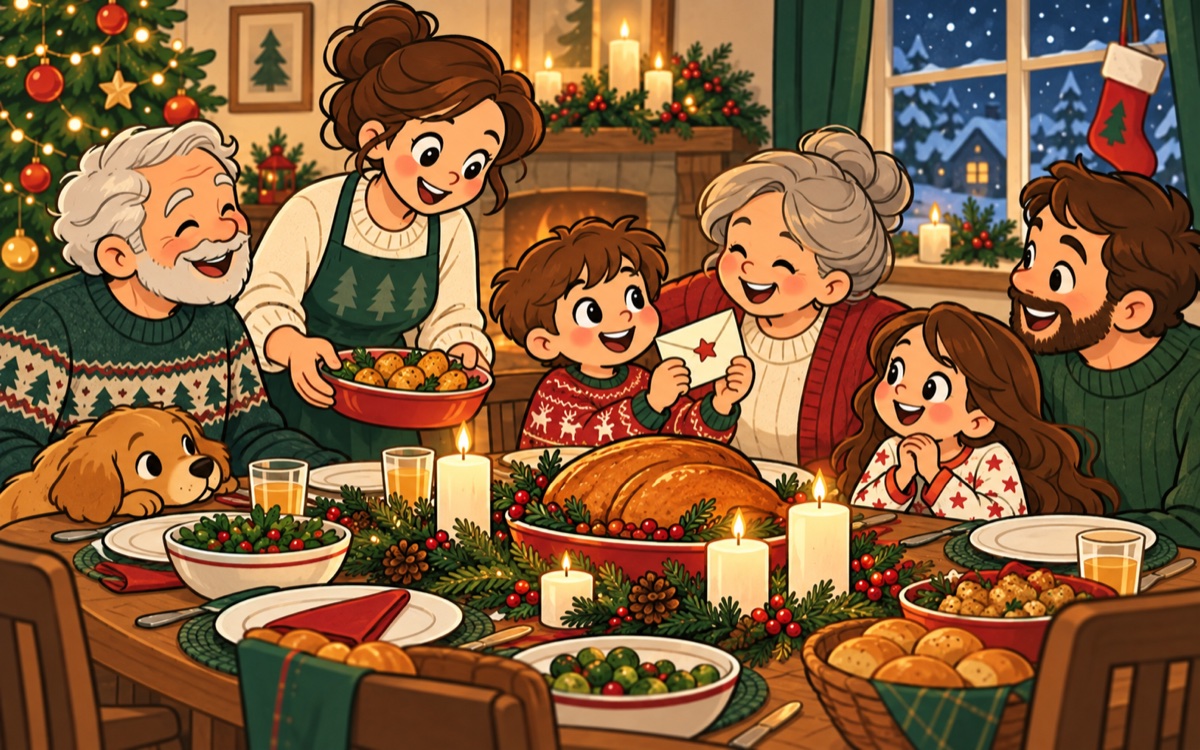
A note can sound like your household even when relatives call Christmas by different names and speak different languages.
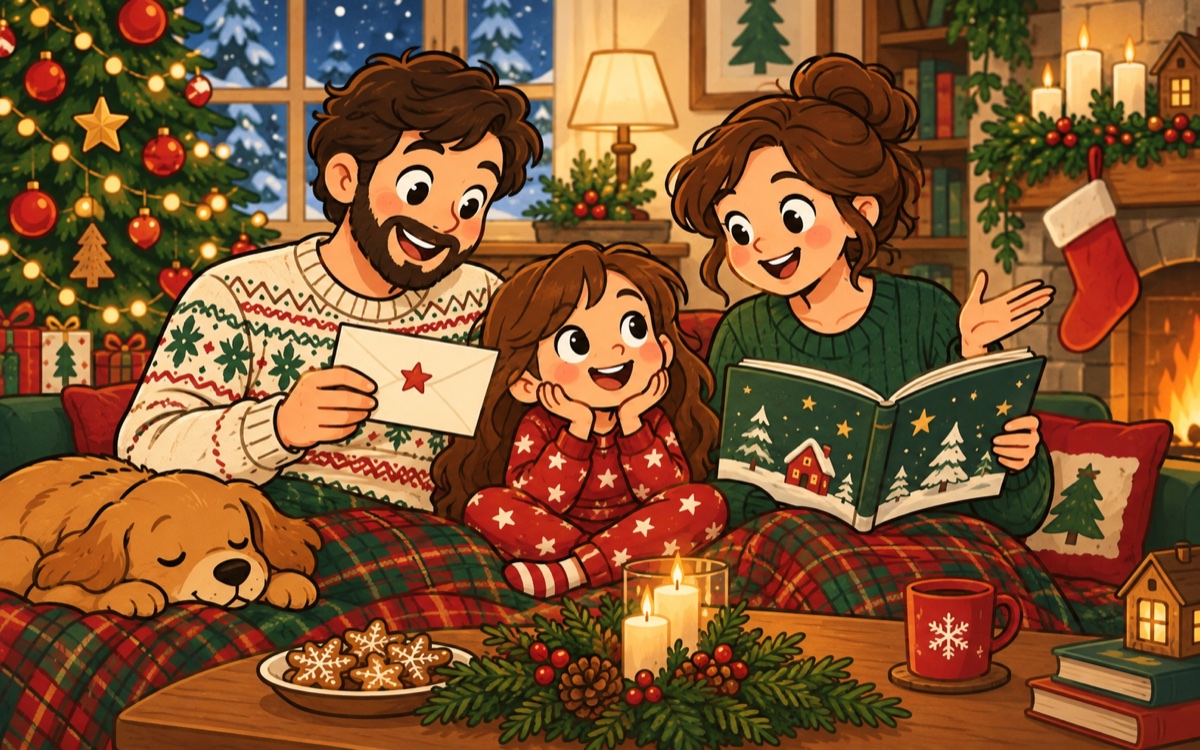
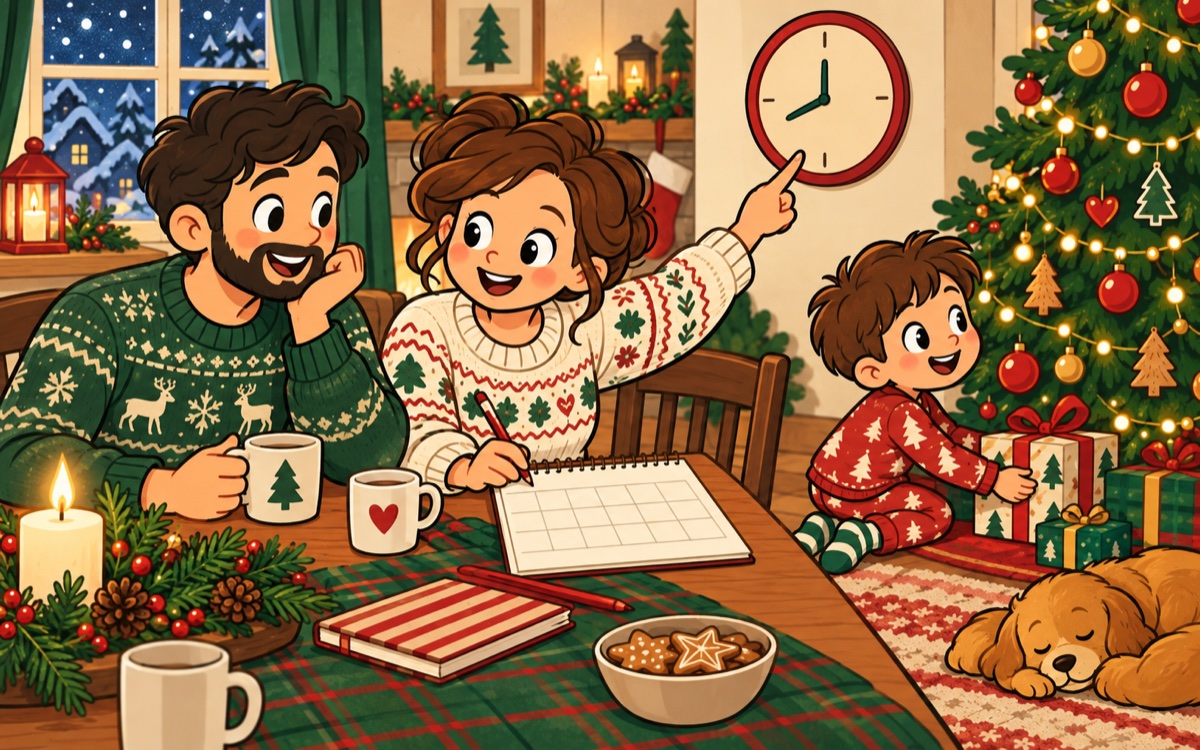
Before writing a festive message, settle the practical plan: which relatives will be seen on Christmas Eve, where gifts are opened and who reads the note. Then ask what words the child actually uses with each person. One side may say Father Christmas while another uses Santa or a name from a different language.
Mix voices with care
You can write most of the message in the child’s everyday English and include a familiar greeting from a grandparent’s language. You do not need a line-by-line translation. Read it aloud; if it sounds like something no one in your family would say, change it.
A simple note: “Your Nani told me about the star you made. Keep it by the window tonight. See you in the morning.” The family word makes the message yours. If relatives have distinct traditions, say when each celebration happens rather than pretending they are identical.
Keep the meaning clear when switching languages
Choose one person to review each language, then read the whole note from beginning to end. Check that names, places and “tonight” or “tomorrow” agree. A warm expression can stay in another language; a practical instruction should be understandable to the child who will hear it.
If a word is unfamiliar, explain it during the reading rather than turning the note into a language test. Your child can reply in whichever language they prefer. The point is to recognise familiar voices in a shared story, not to demonstrate equal amounts of two languages.