Santa and le père Noël in a bilingual Canadian home
English and French can share a Christmas story when the message follows the family’s own words and schedule.
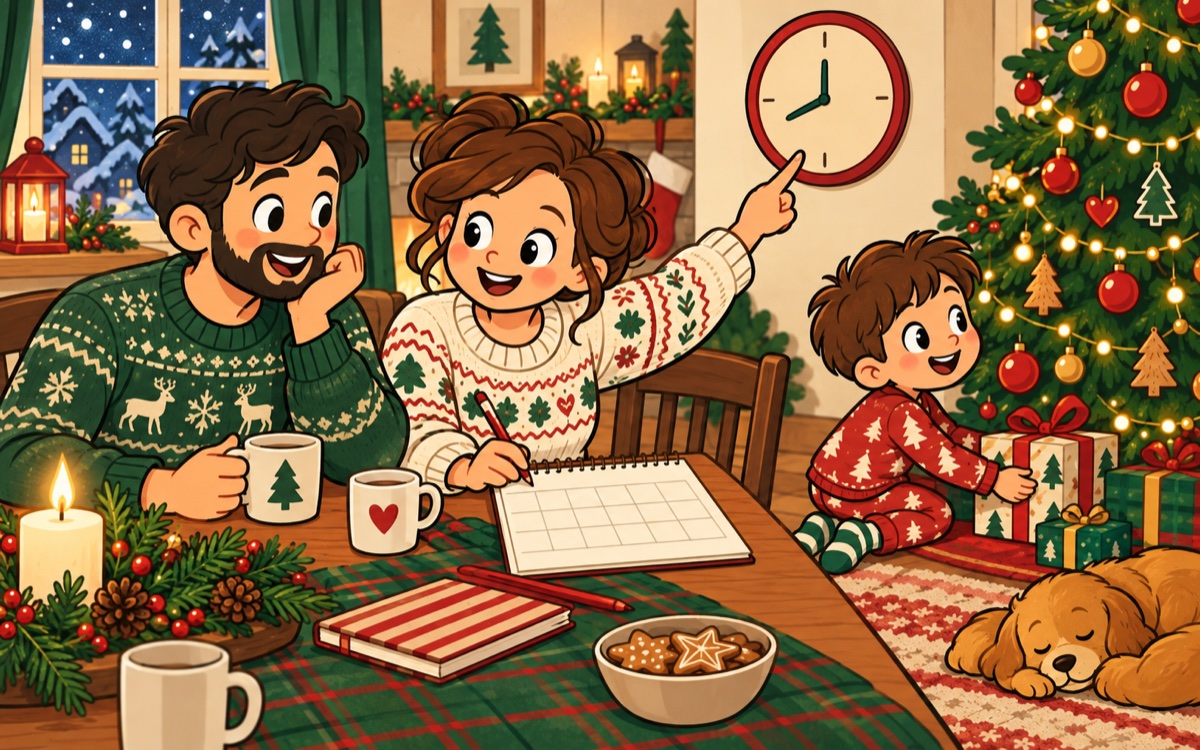
Find out what the child calls each grandparent, when each household exchanges gifts and which language feels natural at those moments. A bilingual note does not need to repeat itself twice. It needs to sound like someone in your family could have written it.
A two-language note with one meaning
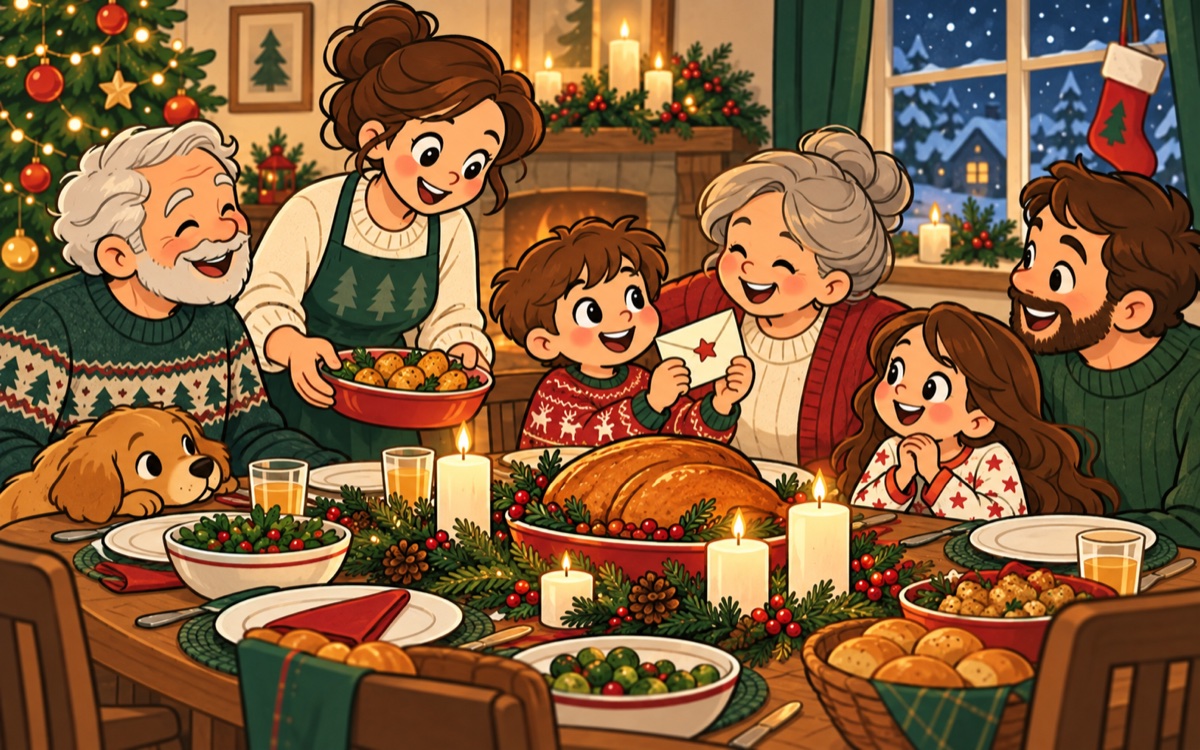
For a child who hears English at home and French with Grand-maman, you might write: “Grand-maman told me you made a star for her tree. Bonne nuit, mon cœur. Your stocking will be waiting in the morning.” Have a fluent family member check the French and change the timing if gifts are opened at the réveillon.
Do not use two languages to create two competing Santa visits unless that is what you intend. One shared plan can make room for a French greeting, an English bedtime story and the family’s real gift schedule.
Keep the meaning clear when switching languages
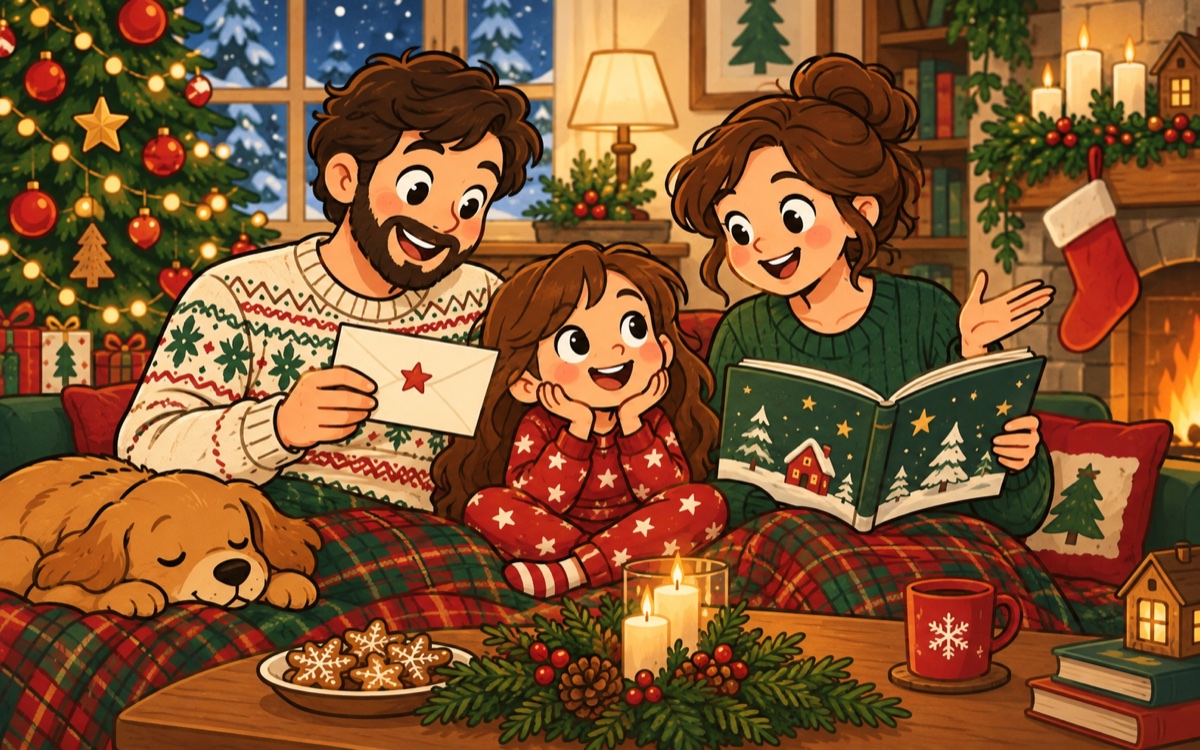
Choose one person to review each language, then read the whole note from beginning to end. Check that names, places and “tonight” or “tomorrow” agree. A warm expression can stay in another language; a practical instruction should be understandable to the child who will hear it.
If a word is unfamiliar, explain it during the reading rather than turning the note into a language test. Your child can reply in whichever language they prefer. The point is to recognise familiar voices in a shared story, not to demonstrate equal amounts of two languages.