Before you tell your child: a Christmas decision card for two homes
Check that both adults agree on a changed Christmas message before sharing it with a child. Use a private, printable card for one choice at a time.
Even with Christmas plans settled, one adult may suggest a last-minute change to what the child is told: when presents will be opened, what to say about a visit, or how to explain a change. A suggestion does not mean both adults agree. If the child hears two versions, the adults may have to untangle a promise neither meant to make.
This guide is for adults who can safely coordinate what they tell their child about Christmas across two homes. It offers a decision-and-confirmation card for one choice at a time. It is a voluntary communication aid, not a parenting plan, a record of consent, or advice about custody or court orders. If direct contact is unsafe, restricted, or impractical, use the communication route already available to you; do not use this card to pressure someone to respond.
Decide what needs confirmation
Choose a single sentence or decision the child might hear. Write it plainly, without including the child's name or private details on a card you might print or share. For example: “We will open the gifts after breakfast” is specific enough to check. “Christmas plans” is too broad.
Identify the adult proposing the change and the adult whose confirmation is needed for this particular message. Use labels such as “Adult A” and “Adult B” on a copy you might share. Those roles do not decide anyone's legal authority. If you do not know who can make a decision, or an existing arrangement limits what can change, leave the status open and use the appropriate established process.
Keep a suggestion separate from agreement
Mark the choice open when it has only been proposed. Mark it confirmed only when the adult whose confirmation is needed has clearly agreed to the exact final wording through a suitable adult-to-adult channel. A sent message, silence, or a child's report is not confirmation. If the words change after confirmation, check the revised words again.
Note where the final wording was shared, such as “our agreed email thread,” without copying a private exchange onto the card. Add a next check if the decision is still open. If there is no safe or workable way to get confirmation, leave it open; do not present the change to the child as settled.
Fictional example: a sentence about gifts
One adult proposes: “Let's say the gifts will be opened after breakfast.” The other has not confirmed that sentence. The card reads open, and the “where the final wording was shared” field stays blank. Neither adult tells the child that the new timing is agreed. They can revisit the message through their established route, without asking the child to carry the question between homes.
The card does not settle where the child spends Christmas, how gifts move between homes, or what an older plan said. It helps with the narrower moment before a changed message is delivered.
Printable decision-and-confirmation card
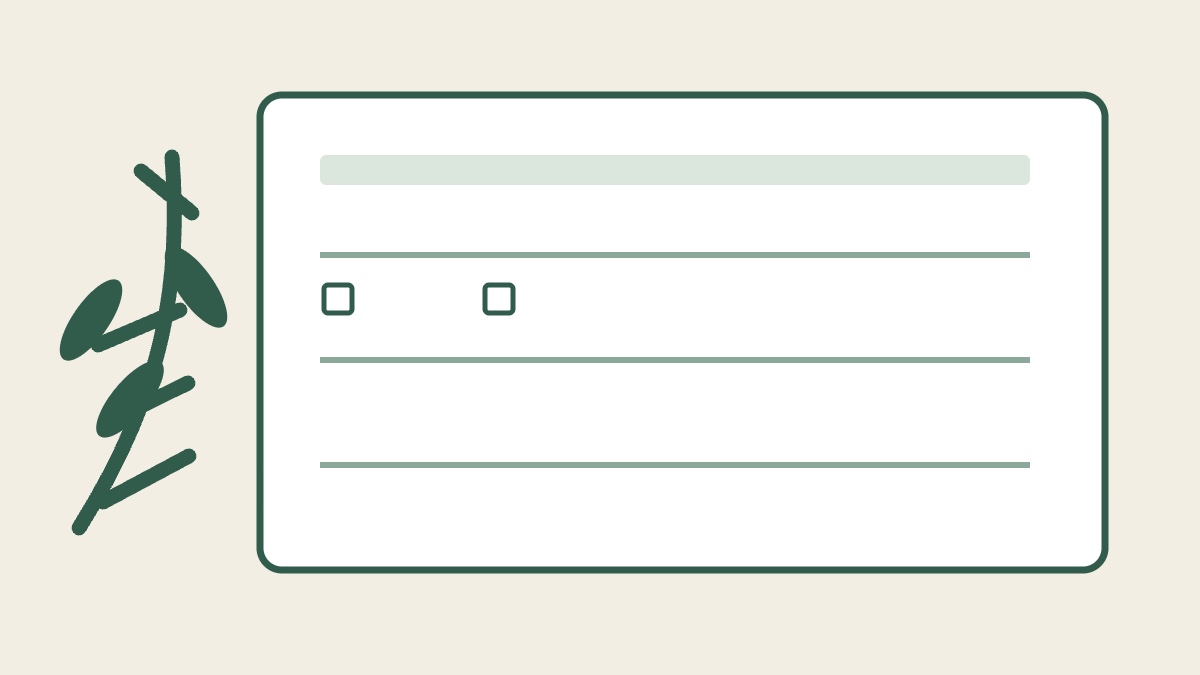
Use a fresh card for each message or choice. Keep completed cards private, and leave names and sensitive details out of any copy that might be shared. Open the print-friendly decision card, or copy its six fields into a note: Christmas choice or message; adult proposing the change; adult whose confirmation is needed; open or confirmed; where the final wording was shared; next check, if open.
Before sharing the message with your child, ask whether this is the exact wording that was confirmed. If it is still open, describe only what is actually known. Children should not have to deliver a request, seek an answer, or choose between two adult accounts.
The guidance behind the card
Guidance for separated parents encourages clear discussion of decisions, communication methods, holidays, and changes to plans. Child-focused guidance also encourages adults to communicate about arrangements without making children carry messages. The card is a proposed way to put those principles into practice. Its benefit has not been measured, and it may not suit every family.
If a court order, safety concern, or another formal arrangement governs communication or decisions, follow that arrangement and seek appropriate local advice if you need it. This guide cannot determine whether a proposed change is permitted. The Canadian and UK sources below describe their own systems; they do not establish a rule for every location.
 21
21 22
22 23
23