Keep the Christmas letters your family actually shared
Separate shared letters from drafts, preserve readable copies and decide what remains private in your family keepsake.
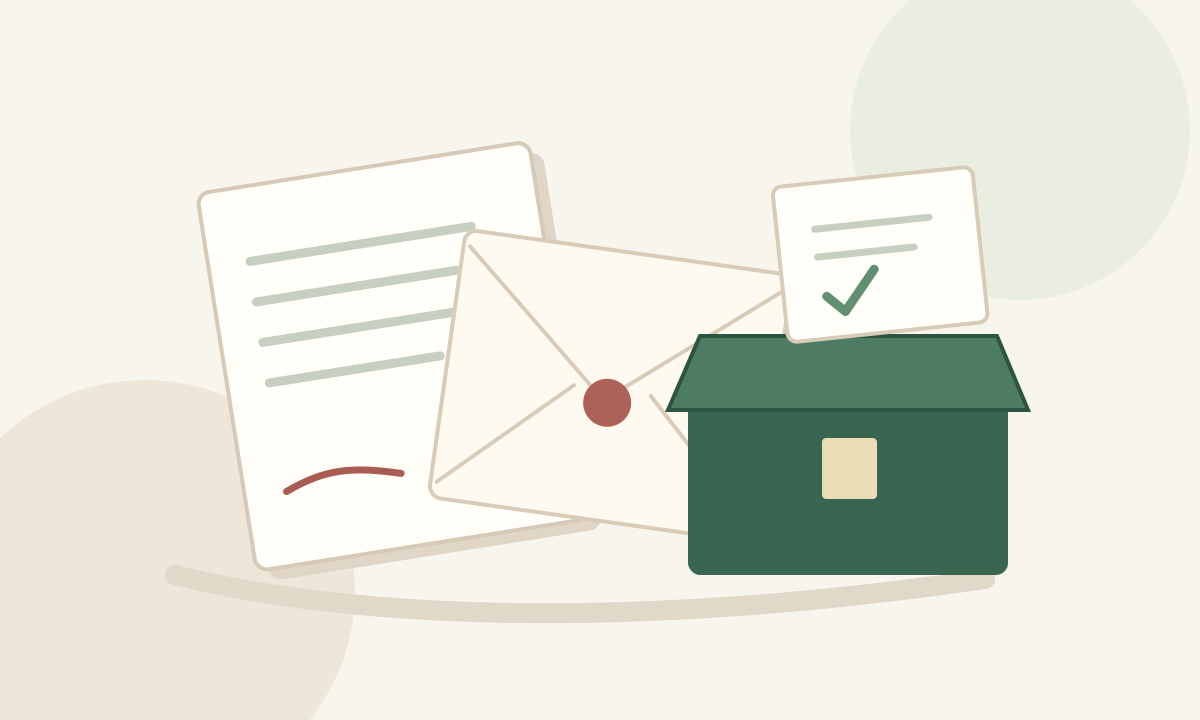
A Christmas folder can contain a letter a child opened, words read aloud, a digital message and an unsent draft. Record what actually happened before putting together a keepsake. A draft can be worth keeping without calling it delivered.
Use the printable letter-sorting sheet with paper or digital items you already have. Its text version is below. You do not need an app or a complete record.
Sort using your family's knowledge
Give each item a neutral label, such as “blue envelope”; leave children's names and addresses off the sheet. Mark received, read aloud, shared another way, draft or uncertain, based on your own records and recollection. Finding a saved file does not establish that a child received it. If memories differ, write uncertain. Label valuable drafts as drafts.
Select and describe
Choose a few items you want to revisit. Place them by date if known, or record their sequence as best you can. Note unknown order honestly. Add a short caption to a separate index: “Read together after supper” only if your family remembers that. “Possibly read together” is enough when you are unsure. A paper folder, a private digital folder or a small set of favourites can all serve as a keepsake.
Preserve originals and inspect copies
Store paper originals in a clean, dry place and handle them gently. A photo or scan can take the wear of everyday viewing. The US National Archives recommends careful handling and retaining paper originals after digitizing them. These are general techniques, not Canadian legal guidance or a guarantee of permanent storage.
Check each image from edge to edge, including the back when it carries part of the letter. Use a neutral file name such as `2026-12-note-02.jpg`. For a letter already in a digital file, save a private copy you can find and open. Where practical, store a second copy elsewhere and occasionally check that it opens. The Library of Congress' digital archiving advice supports clear file names and separate backup copies. Mark “copy made” when saved and “copy checked” only after opening it and checking completeness.
Keep private details private
Before sharing, look for names, addresses, locations, images and anything a child might later prefer to keep private. Ask the people involved what may be shown, or prepare a separate copy with private details covered. A family keepsake need not be shared at all. The UK Information Commissioner's Office checklist is UK guidance for thinking about children's information, not a Canadian legal rule.
Begin with three items
Label three letters, record their status, choose what to keep and check one readable copy. Write down where it will stay. You can leave gaps and return later.
Text version of the sorting sheet
Copy these fields once per item, without identifying child details:
- **Item label:**
- **Family-confirmed status:** received / read aloud / shared another way / draft / uncertain.
- **Date or order, if known:**
- **Original or source location:**
- **Copy made?** Yes / no.
- **Copy opened and checked?** Yes / no; note any issue.
- **Private storage or sharing decision:**
**Fictional example:** Blue envelope; read aloud (family recalls); second in sequence; paper folder; copy made: yes; copy checked: yes, legible; decision: private family folder. It is not a verified delivery or product record.
 24
24 25
25 29
29